Alternative Recruiting Strategies for Manufacturers: What to Do When Local Hiring Isn’t Enough
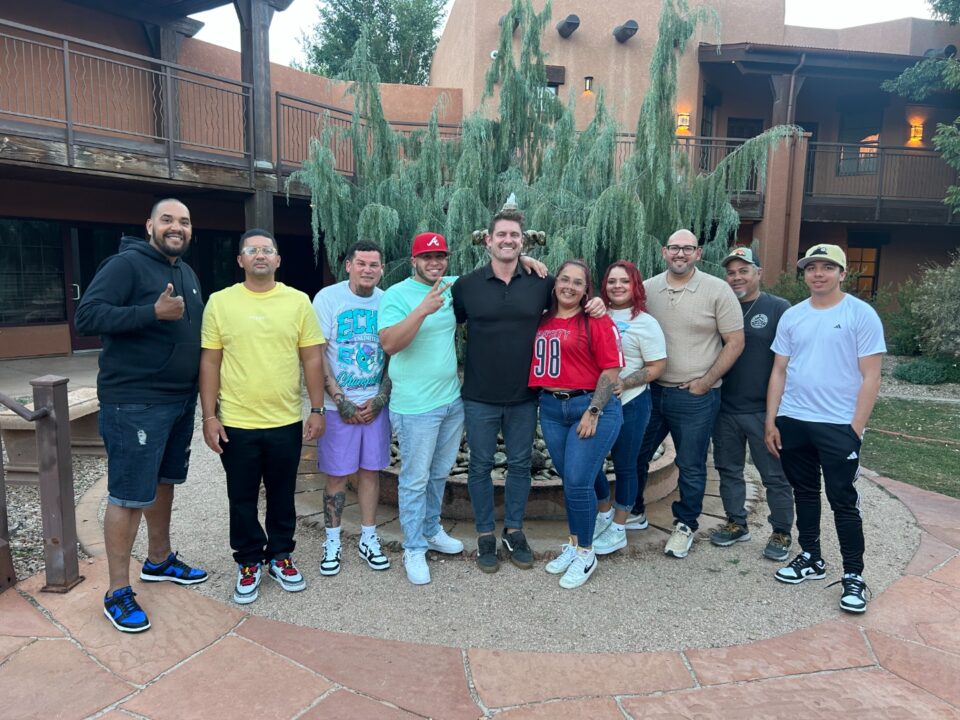
If you’re the person responsible for keeping a manufacturing floor staffed, you already know the local labor market isn’t giving you what it used to. The job ads run. The signs go up. The recruiters send resumes that never show up for the interview — or show up for two weeks and quit. And every time you finally get someone trained, another spot opens up. This piece walks through the alternative recruiting strategies for manufacturers that are actually working right now — from veterans and apprenticeships to the option I know best, recruiting US citizens from Puerto Rico.
I’ve been recruiting blue-collar workers for more than a decade — first for upstate New York dairy farms, and now for manufacturers, landscape companies, and other US employers through my company, Isla Talent. In that time, I’ve placed more than 3,000 people, including workers for LG, Nestlé, Davey Tree, and hundreds of small and mid-sized shops. This isn’t a theoretical piece. What follows is what actually works when your local funnel runs dry — and what to watch out for so you don’t waste money chasing the wrong fix.
Why the “post more ads, pay a little more” playbook keeps failing
The obvious moves — Indeed ads, sign-on bonuses, a $2/hour bump — used to be enough. They aren’t anymore for most manufacturers. There are three reasons:
- The local pool has structural gaps. Skilled trades retirements, fewer people entering blue-collar work out of high school, and competition from warehouses, Amazon, and gig work have hollowed out the applicant pool in dozens of manufacturing regions.
- Applicants aren’t sticking. Even when candidates show up, retention through the first 90 days is where most shops lose them. That’s not a recruiting problem — that’s an onboarding problem masquerading as a hiring problem.
- You’re competing with employers who’ve already moved on. The manufacturers who solved this two or three years ago quietly started sourcing from non-local pools — veterans, refugee resettlement, second-chance programs, apprenticeships, and US-territory recruiting. They just didn’t advertise it.
So before you spend another dollar on a job board, it’s worth stepping back and asking a different question: Where else can I look?
Alternative recruiting strategies for manufacturers worth considering
Here are the channels I’ve either used directly or watched successful clients use. Some fit a 20-person shop. Some fit a Fortune 500. None of them is a magic bullet on its own — but any of them can move the needle if you build the right process around it.
1. Veterans and transitioning military
Every year, roughly 200,000 service members leave the US military. Many have mechanical, electrical, logistics, or maintenance training and — critically — they show up on time and understand a chain of command. Programs like Hiring Our Heroes and DoD SkillBridge let employers host transitioning service members for 90–180 days before making an offer.
2. Refugee resettlement partnerships
Groups like the International Rescue Committee and Lutheran Immigration and Refugee Service partner directly with manufacturers to place vetted, work-authorized refugees. The candidates are already in your community, already have work authorization, and are often hungrier and more loyal than the average applicant.
3. Apprenticeship and high-school pipeline programs
If you’re not already inside your local vocational high school, community college, or workforce development board, you’re leaving people on the table. The manufacturers who solve retention long-term are the ones building the funnel five years before they need someone — not two weeks after a machinist quits.
4. Second-chance hiring
Roughly one in three US adults has a criminal record. Companies like NABTU-affiliated trades and manufacturers who partner with reentry programs report retention rates that beat their general workforce. It requires policy work up front, but it opens up a pool nobody else is competing for.
5. Recruiting from Puerto Rico
This is the one I know best, so I’ll spend more time on it below. The short version: Puerto Ricans are US citizens. That means no H-2B visa lottery, no prevailing wage requirements, no immigration paperwork. Wages on the island for comparable work run $9–$11 per hour, and the cost of living is genuinely brutal — imported groceries can run 30–50% higher than the mainland. When you offer somebody in that situation a real job, real housing, and a real path forward, they show up.

Why Puerto Rico works when other channels stall
I want to be straight with you: recruiting from Puerto Rico is not going to fix America’s workforce problem. But it can absolutely fix your workforce problem — I’ve watched it happen at hundreds of employers, from Fortune 500 companies down to family-run shops in the middle of Georgia.
Here’s what makes it different from every other “solution” people pitch you:
- US citizenship — no visa work. A Puerto Rican worker can board a plane in San Juan and start work in Ohio the next day. No H-2B lottery. No visa sponsorship. No prevailing wage. No employer of record. Just an I-9 and standard onboarding paperwork.
- Genuine motivation. Workers on the island are looking at $9–$11/hour for comparable work, in an economy where a pack of bacon can run $15 and rent is punishing. When a mainland job pays $18–$25 with furnished housing and transportation, that changes a family’s trajectory.
- Speed. I’ve placed 200 people in the last twelve months as a one-person shop. Once a client and I agree on a role, we can typically identify vetted candidates in 48–72 hours, and workers can be on-site in 1–4 weeks depending on housing readiness.
- Depth of pool. This isn’t a niche channel. Fortune 500 companies are doing it. Large landscape and food-processing companies I won’t name are doing it. It just hasn’t been talked about publicly.
The questions manufacturers always ask
Do Puerto Ricans speak English?
No dumb questions on this one — I get it constantly. The primary language on the island is Spanish, but most workers can get by in English, and I’ve placed people whose English is genuinely fluent. When I ask how they learned, the answer is almost always the same: video games, YouTube, and movies. There’s still a language element in the workplace, but it’s manageable — especially if you have even one bilingual person on the floor or in HR.
What skill levels can you actually deliver?
I’ll be honest here because you deserve honesty: CNC operators are a needle in a haystack. If a client comes to me and says “I need five CNC machinists,” I tell them I can’t do it. I don’t want to sell you something I can’t deliver.
What I can reliably identify: maintenance mechanics, HVAC technicians, welders, machine operators, mechanically-inclined workers who can be trained up, and strong entry-level production help. That covers a lot of what most manufacturers actually need to keep a line running.
Who handles housing and logistics?
I have a hard rule: I only work with employers who commit to providing housing. If a company tells me “we’re not going to help with housing, they can figure it out” — I wish them the best and move on. Nobody is moving from Puerto Rico to rural Indiana and figuring out a lease on their own.
Here’s how it works in practice:
- Housing: The employer rents an apartment or house, furnishes it with basic cookware and beds, and deducts the cost from the workers’ paychecks. The employer sets it up in their own name; the worker is paying for it over time.
- Flights: The employer buys the plane ticket from Puerto Rico. I coordinate the logistics — best flight, best day, ground transport on both ends — but the client pays. The airfare is also typically deductible from paychecks.
- Transportation: Same model. Many clients provide a shared vehicle or arrange rides for the first weeks until workers get settled.
What if someone quits after a month?
It happens. I’m transparent about it. That’s why I offer a 45-day replacement guarantee — if someone quits or gets fired inside 45 days, I replace them at no charge.
But the honest answer is that retention isn’t really a recruiting problem — it’s a treatment problem. I’ll come back to that below.
What “getting it right” actually looks like

My best clients have one thing in common: they understand there’s a human aspect to this, and they slow down enough to do the basics right. My worst clients are the ones so desperate for workers that they skip everything that matters.
Just this morning I had a client message me asking for a former worker’s Social Security number — the guy had quit and they’d never collected it. He had worked there for weeks without an I-9 being signed. That’s not a Puerto Rico problem. That’s an employer that threw a human being onto a floor before doing the paperwork.
The four-step onboarding checklist
Here’s the checklist I send to every client, and here’s what actually separates the ones with 90% retention from the ones with 30% retention:
- Before they arrive. Send videos of the factory. Send videos of the housing. Send the address. Let people see what they’re actually walking into so nobody arrives and says “this wasn’t what I thought.” Almost every early-quit trace back to a mismatch between expectation and reality.
- The first day. Do a real orientation. Sign the I-9. Sign the direct deposit paperwork. Walk them around. Introduce them to the team. Do not hand them PPE at 6:58 AM and put them on a line at 7:00.
- The first month. Give them a real point of contact — not just a shift lead. A person in HR or operations they can go to with a question, a grievance, or a problem. Communication is 80% of retention.
- Respect the culture. A client of mine in Cleveland put up a Puerto Rican flag on the shop floor next to the American flag. That’s it. That’s the whole gesture. One of the workers — José — told his boss, “The fact that this company is making an effort to respect our culture makes us want to work even harder.” That’s what a $20 flag bought them.
People don’t just want to be paid well. They want to feel valued. That’s true for Puerto Rican workers, it’s true for veterans, and it’s true for the local hire you’ve had for 15 years. If your onboarding and management practices aren’t there, no recruiting channel will save you.

Who this is not a good fit for
I turn down business all the time — probably more than most people would expect for a fee-based recruiter. My fee is per placement regardless of wage, so I have no incentive to push low-wage employers into this. Some patterns where I’ll politely decline:
- You’re paying $12–$14/hour in a high cost-of-living state. The math doesn’t work for the worker, and they’ll leave.
- You won’t do a real orientation or training. That’s the fastest possible path to a bad outcome for everyone.
- You use language during our intro call that tells me you’re going to mistreat people.
- You want CNC machinists in volume. As above — I’d rather tell you no than sell you something I can’t deliver.
How to think about your next hire
If you’re reading this because your local pipeline has stopped working, here’s how I’d approach alternative recruiting strategies for manufacturers — whether you use my company or not:
- Diagnose retention before you spend on new sourcing. If you’re losing 40% of new hires in 90 days, more resumes won’t fix it.
- Pick one alternative channel and go deep. Better to run a real veterans program than to dabble in five channels at once.
- Commit to housing and logistics if you’re sourcing from outside your immediate region. This is a binary — either you provide it or you don’t. “We’ll help them figure it out” doesn’t work.
- Treat your people like humans. Communicate. Do the orientation. Respect where they came from. That’s the entire retention playbook.
Want to talk about your specific situation?
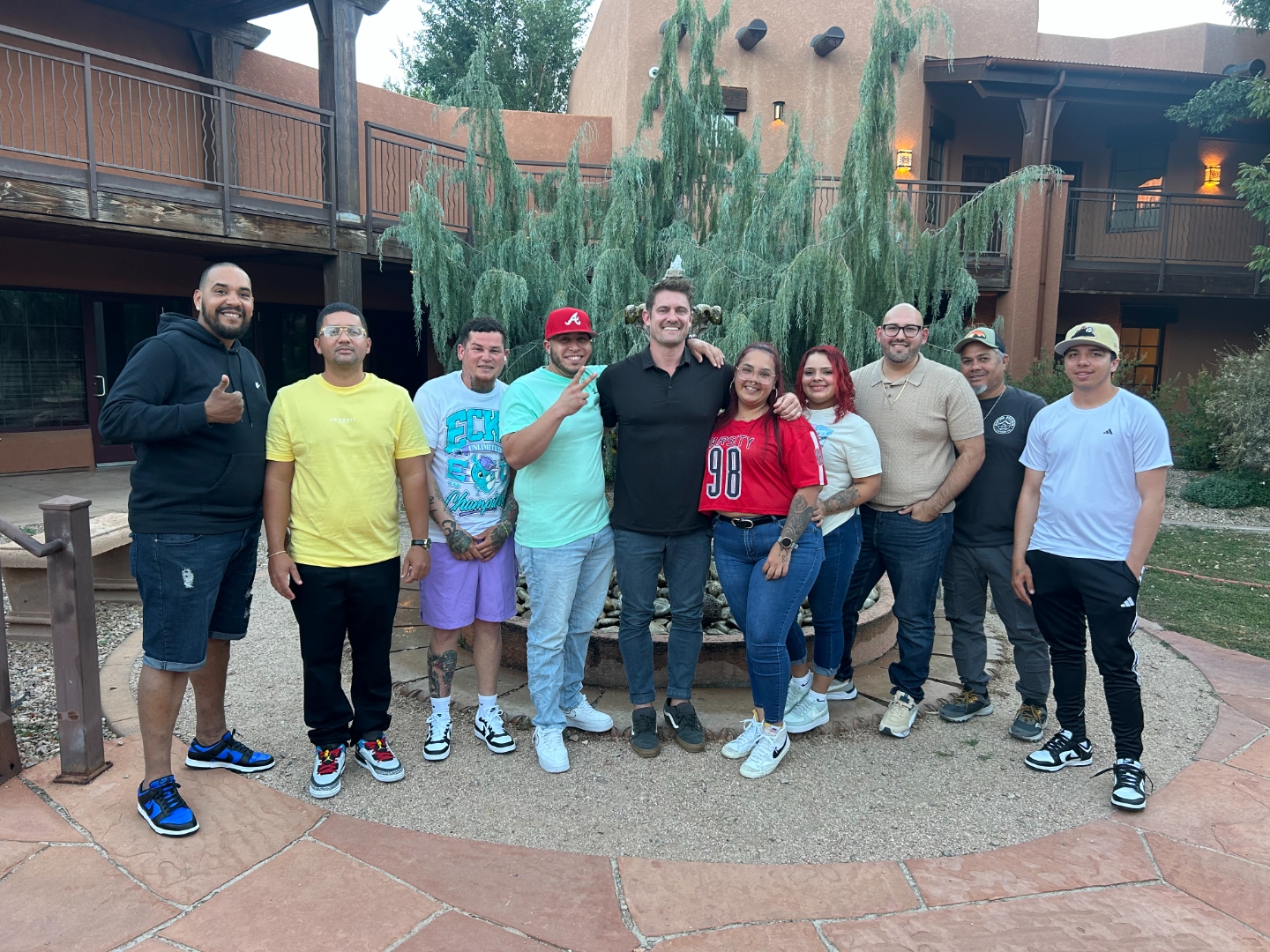
If you’re a US manufacturer weighing alternative recruiting strategies and want to explore whether Puerto Rico recruiting could be part of the answer for you, the fastest way to reach me is through the RFQUSA contact form. Mention “Isla Talent” or “Puerto Rico recruiting” in your message so the RFQUSA team knows to route it to me directly. I’ll walk you through wages, timing, housing setup, and whether it’s actually a good fit for your role — including telling you when it isn’t.
You can also reach me directly through Isla Talent’s website or find me on LinkedIn under “Clay Martin.”
About the Author

Clay Martin is the founder of Isla Talent and has completed more than 3,000 blue-collar placements for US employers over the last decade. He’s a former Peace Corps volunteer and a frequent guest on manufacturing podcasts — you can hear him on the Manufacturing Insiders podcast discussing alternative recruiting strategies for US manufacturers.
Recent Posts
RFQUSA Top Cooling Tower Water Treatment Companies
How to Find the Best Casting Company for Aerospace, Automotive, and Industrial Parts
How to Find Forging Companies for Aerospace, Automotive, and Industrial Parts